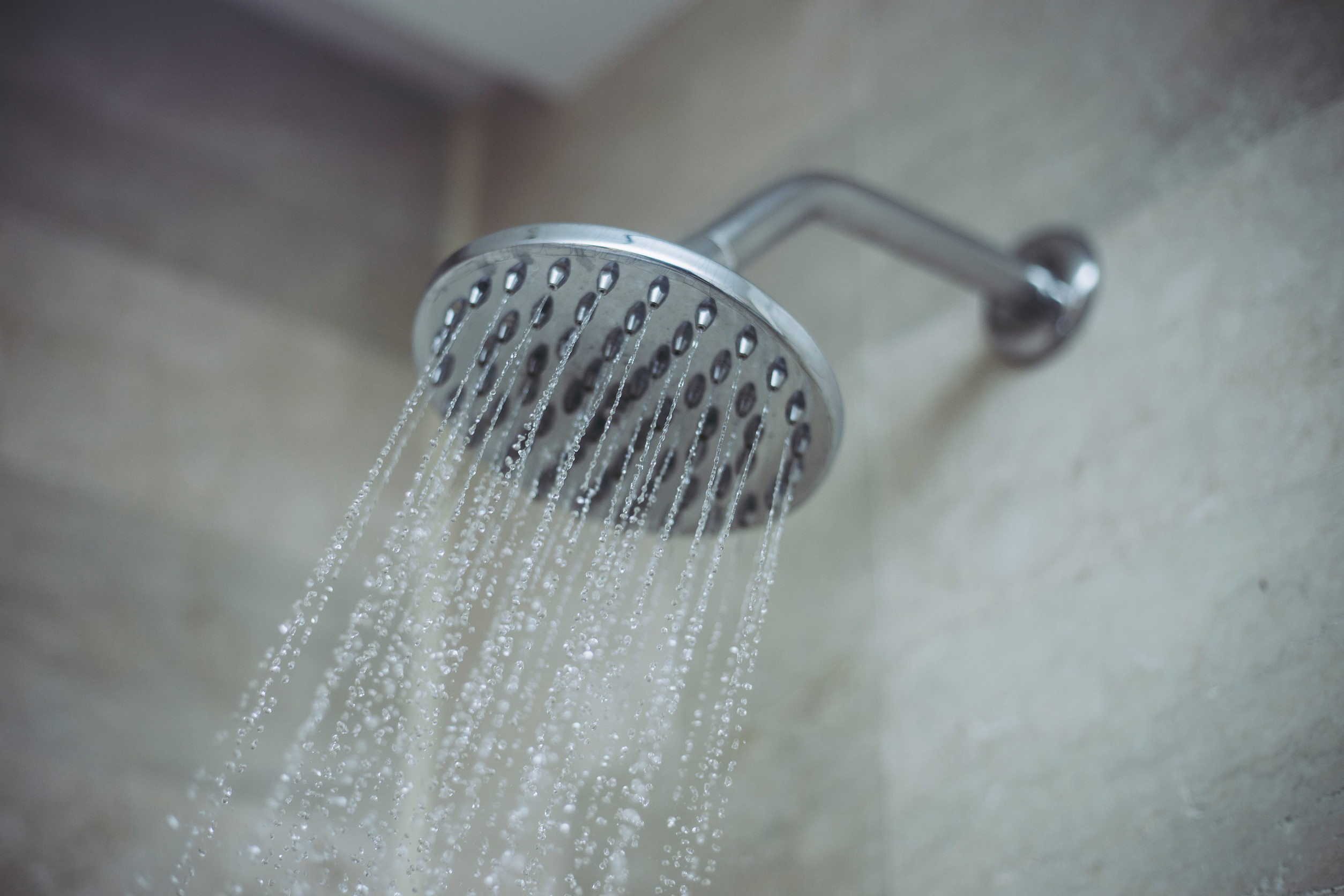
Few things are more frustrating than stepping into what you expect to be a hot shower, only to find yourself waiting for the temperature to rise. A slow-heating water heater is a common household problem, often caused by issues with your heater’s power, sediment buildup, or size.
Pinpointing the exact reasons why water isn’t heating up quickly can save you time, money, and the dreaded cold rinse.
Issues with Heating Element or Pilot Light
In electric water heaters, one or two heating elements are responsible for warming the water. When one burns out or malfunctions, the heater has to work harder with less capacity, meaning water takes far longer to reach your desired temperature, or may never fully get there. An element test with a multimeter or professional inspection can confirm whether this is the culprit.
Or, if you have a gas water heater, there could be an issue with your pilot light. These pilot lights ignite the burner that then warms the water. If that flame goes out, your heater won’t fire up. Most units allow you to relight the pilot yourself, following the instructions on the unit. But if the issue was caused by a faulty thermocouple, you will need a professional’s help.
Sediment Buildup
Over time, minerals like calcium and magnesium naturally settle at the bottom of your water heater tank. This layer of sediment acts as a barrier between the burner and the water, forcing your heater to work harder and longer. Regular professional maintenance and flushing of the tank (typically once a year) can prevent and clear this buildup.
Tripped Circuit Breaker
Electric water heaters draw a significant amount of power. If the circuit breaker trips, the heater loses power entirely and stops heating. Check whether the breaker for your water heater has tripped on your electrical panel. If it keeps tripping, that points to a deeper electrical problem worth investigating.
Gas Supply Problems
For gas-powered heaters, an adequate and consistent gas supply is essential. A partially closed gas valve, a kinked supply line, or a problem with your home's gas pressure can all starve the burner of what it needs. If other gas appliances in your home are also underperforming, contact your gas company.
Thermostat Issues
Your water heater's thermostat controls when and how much the unit heats. If it's set too low, miscalibrated, or has failed altogether, water won't reach the temperature you need. A malfunctioning thermostat should be replaced promptly.
Heater Age
The average lifespan of a traditional tank water heater is 8 to 12 years, but it can be even lower if it goes without regular maintenance. As your unit ages, its components wear down, efficiency drops, and it takes longer to recover between uses. If your heater is approaching or past that window, slow heating may simply be a sign it's nearing the end of its service life. Replacement may be more cost-effective than continued repairs.
Leaking Water Tank
A tank with a slow leak constantly loses hot water, forcing the heater to replenish and reheat water more frequently than it's designed to. Beyond the obvious performance hit, a leaking tank is also a sign of corrosion or structural failure. If this is left untreated, it can lead to water damage and mold. Look for pooling water, rust stains, or dampness around the base of the unit.
Too-Small Tank
A water heater that's undersized for your family's needs will struggle to keep up—running out of hot water during back-to-back showers or after doing laundry. As a general rule, you need about 10–15 gallons of capacity per person in your home. If your household has grown since installation, or you've added high-demand appliances, your current system may simply not have the capacity to keep up.
This is where tankless water heaters really stand out. Instead of storing a limited amount of hot water, tankless systems heat water on demand so you’re not waiting for a tank to refill or recover. That means faster heating, longer showers, back-to-back usage, and running multiple fixtures without worrying about running out.
If you’re consistently dealing with slow heating or running out of hot water, it may be time to upgrade. Moving to a properly sized tankless system can give you a more reliable, consistent supply of hot water that keeps up with your home’s needs.
Slow-to-heat water is rarely something you have to just live with. Many of these reasons why water isn’t heating up quickly have straightforward solutions that can be handled by a plumbing professional. Identifying the cause early can prevent a small inconvenience from turning into a costly repair—and get your hot water back to working the way it should.
At Ciriello Plumbing, we promise expertise, honesty, and efficiency to the homes and businesses we service in Greater Indianapolis, including Carmel, Fishers, & Greenwood. From residential plumbing repairs to commercial installations, our expert team is dedicated to providing exceptional craftsmanship and unparalleled customer service. For reliable plumbing services you can trust, contact Ciriello Plumbing Solutions today.