Stopping your home's water supply is the first step in any plumbing emergency or work. Knowing how to do it before disaster strikes can mean the difference between a quick fix and thousands of dollars in damage. Water damage restoration in Indianapolis typically runs in the range of a couple thousand dollars per incident, and that number climbs faster the longer water is allowed to run unchecked.
Indianapolis homes are especially susceptible to this kind of damage, thanks in large part to the age of the city's housing and the older plumbing infrastructure that often comes with it. Galvanized pipes, aging fittings, and decades-old valves are still common throughout many Indianapolis neighborhoods, and all of that adds up to a higher risk of leaks, bursts, and failures compared to newer construction.
A few minutes spent learning your shut-off valve now, before anything goes wrong, is one of the cheapest and most effective forms of home insurance you can give yourself.
When Should You Shut Off Your Home’s Water
More often than not, you’ll need to shut off your home’s water due to a plumbing emergency or when you are having plumbing work done.
While not every plumbing issue is an emergency, there are some problems that do require immediate attention and the water to be shut off:
- Burst or frozen pipe
- Major water leak
- Toilet supply line failure
- No water or low water pressure
- Multiple drains backing up
- Sewage backing up into your home
- Basement flooding or sump pump failure
That said, not every reason to shut off your water is an emergency. Even routine, planned maintenance goes more smoothly with the water off first.
- Replacing a faucet
- Swapping out a showerhead
- Fixing a running toilet
- Installing a new appliance
- Working on supply lines
- Minor plumbing repairs
Shutting off the water ahead of time also protects you from an unexpected surprise, like a fitting coming loose mid-repair and spraying water throughout your kitchen or bathroom before you can react.
How to Turn Off the Water to Your House
For those who aren’t familiar with plumbing, turning off your home’s water can feel a little daunting. However, it can be a very simple process when you know the steps.
1. Identify Your Water Shut-Off Valve
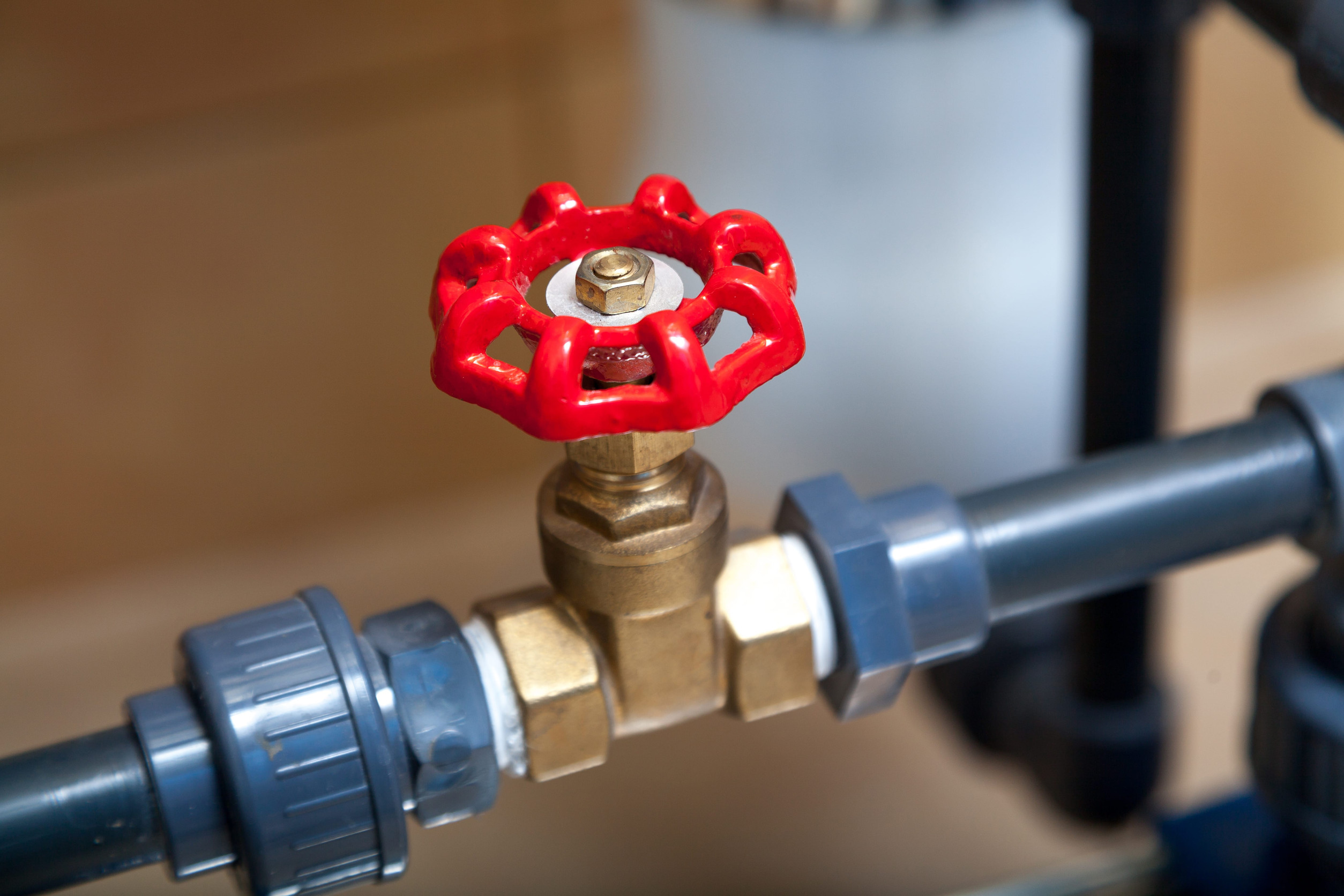
There are two different types of home water shut-offs: a gate valve and a ball valve. A gate valve features a circular knob, much like you would find on your outdoor water spigot, while a ball valve uses a lever instead. Ball valves are the modern standard, so newer Indianapolis homes are more likely to have a lever-style shut-off. Older Indianapolis properties are more likely to still have the classic gate valve knob.
2. Locate Your Water Shut-Off Valve
Where to look depends largely on when your home was built. In Indianapolis homes constructed before 1980, the valve is usually in the basement near the Citizens Energy Group meter. Newer builds around the city sometimes place it in a crawl space, utility room, garage, or utility closet instead. Check these common spots first, and if you still can't track it down, a local plumbing professional can help you locate it before an emergency puts you on the clock.
3. Turn Off the Water
Once you’ve located your shut-off valve, it’s very simple to shut off your water.
- If you have a gate valve, turn the knob to the right or clockwise to turn off the water.
- If you have a ball valve, turn the lever one-quarter turn or 90 degrees so it’s perpendicular to the pipe. If the handle is in line with the pipe, that means the water is on.
4. Open a Faucet
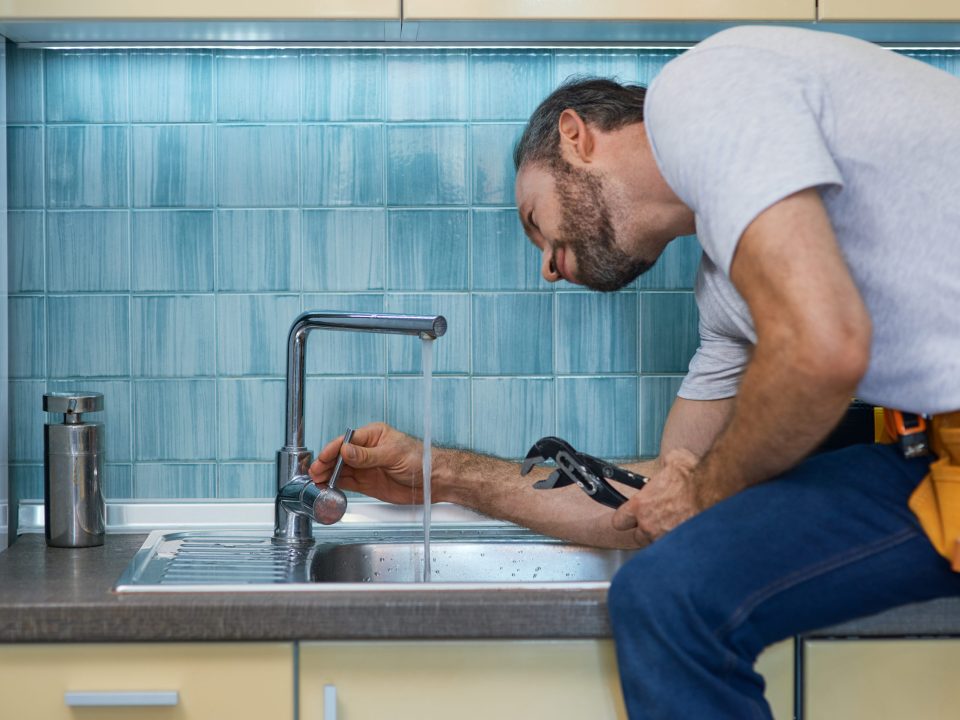
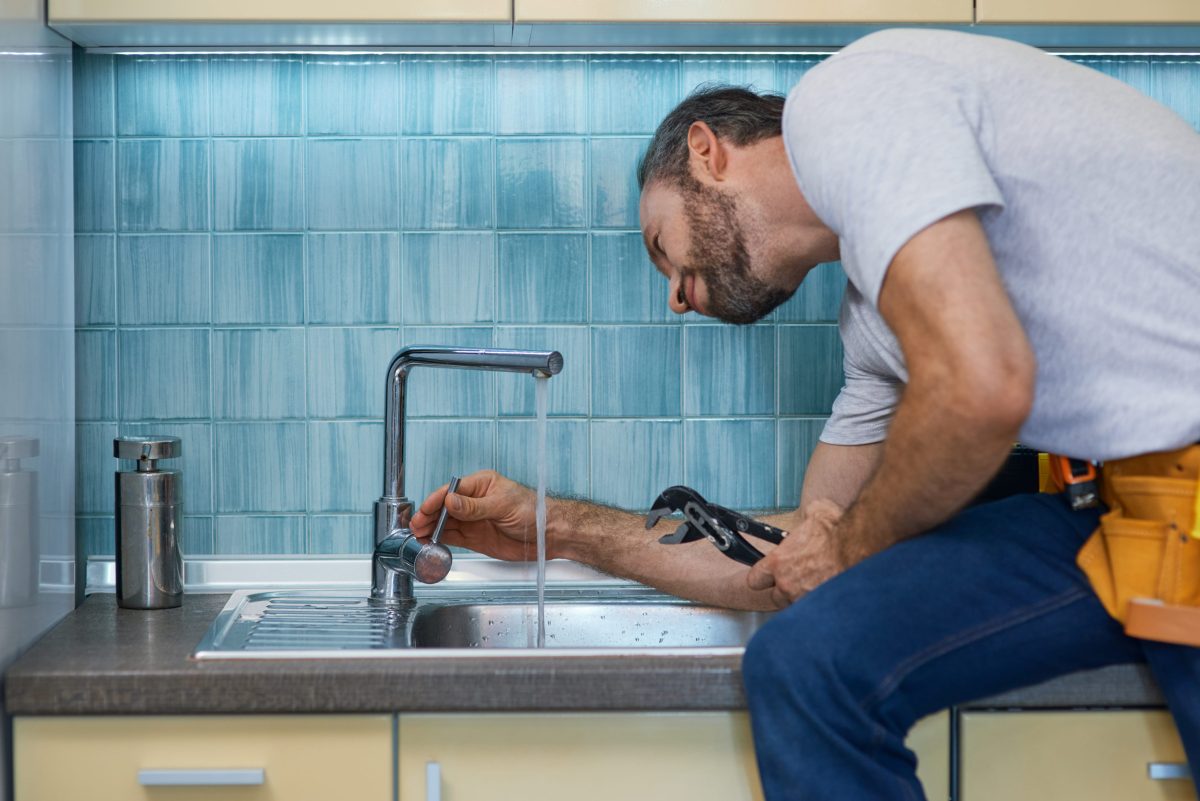
Once the main valve is off, head to the nearest sink and turn on the faucet, ideally the one closest to the shut-off or the one closest to the problem area. This relieves the pressure that's still trapped in your pipes, and it lets any water still sitting in the lines drain out naturally instead of continuing to feed a leak or a burst pipe.
5. Test the Water
Confirm the shut-off worked by flushing a toilet or turning on a faucet to check for running water. If a leak prompted the shut-off in the first place, take a look at the affected area to see whether water is still coming through. If water continues running beyond what was already sitting in the pipes, it's time to call in an Indianapolis plumber if you haven’t already.
6. Contact an Indianapolis Plumber to Handle the Emergency
Shutting off the water is just the first step, not the fix. Whether you noticed a leak, smelled rotten sewage in your drains, experienced flooding, or are having water heater failures, there’s likely some kind of plumbing emergency happening. More often than not, these aren’t problems you want to try and fix on your own. They can be potentially dangerous to approach without the proper tools, knowledge, and personal protective equipment. Always contact a trusted plumbing professional when you experience a plumbing emergency.
Stay Prepared and Ahead of Plumbing Disasters
A plumbing emergency is stressful enough without also having to hunt for your shut-off valve while water spreads across your floor. Taking a few minutes today to identify your valve, understand which type you have, and get comfortable turning it can spare you thousands of dollars in damage and a lot of unnecessary panic down the road. Given how common older plumbing systems still are across Indianapolis, this small bit of preparation matters even more for local homeowners than it might elsewhere.
FAQs
At Ciriello Plumbing, we promise expertise, honesty, and efficiency to the homes and businesses we service in Greater Indianapolis, including Carmel, Fishers, & Greenwood. From residential plumbing repairs to commercial installations, our expert team is dedicated to providing exceptional craftsmanship and unparalleled customer service. For reliable plumbing services you can trust, contact Ciriello Plumbing Solutions today.