
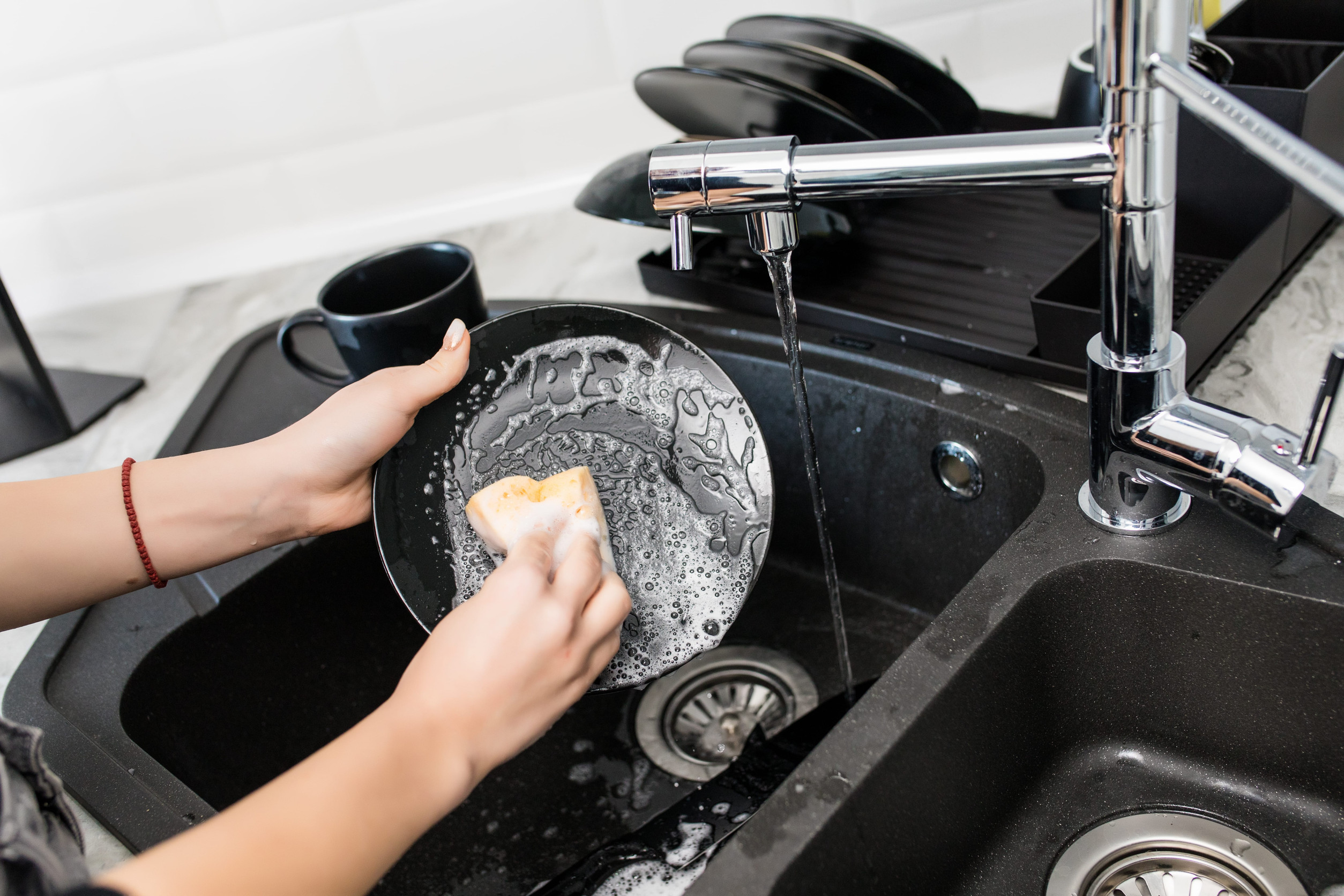
A clogged kitchen sink has a way of showing up at the worst possible moment—usually mid-dinner prep, with a sink full of dishes and nowhere for the water to go. The good news is that most kitchen clogs are entirely preventable once you know what's causing them.
More often than not, the culprit is something that got rinsed down the drain without a second thought. Below, we'll walk through nine common offenders that should never make their way into your kitchen drain or garbage disposal, along with practical tips for keeping your pipes clear for the long haul.
What Items Should Never Go Down a Kitchen Drain
Even if you have a garbage disposal, certain food items can cause problematic clogs if dumped down your drain.
1. Grease
Grease is one of the best-known causes of kitchen sink clogs, and for good reason. While it pours easily as a hot liquid, it doesn't stay that way. Once grease cools, it hardens and clings to the inside of your pipes, gradually narrowing the passage until water can barely get through. The safest bet is to let grease cool in a container and toss it in the trash rather than sending it down the drain.
2. Coffee Grounds
For some people, dumping their coffee grounds into the sink is part of their daily routine. But that habit can cause serious clogs and problems down the line, even if you have a garbage disposal. Despite the popular belief that they sharpen garbage disposal blades, coffee grounds do nothing of the sort. Instead, they tend to clump together and settle in your pipes, contributing to stubborn clogs even when a disposal is involved.
3. Eggshells
Similar to coffee grounds, many homeowners believe that grinding up eggshells will help sharpen their garbage disposal’s blades. Instead, these crushed pieces can create problematic blockages while having no impact on your garbage disposal’s effectiveness.
4. Starchy Foods
Foods that are heavy in starch—like rice, pasta, oatmeal, or even quinoa—are known to absorb water and expand in size. This means that every time you run your faucet, these foods can grow in your pipes, creating frustrating clogs. Even if you use the garbage disposal, small pieces can still stick to the sides of your pipes and create problems.
5. Fibrous Food Scraps
Potato peels, celery, corn husks, and other tough, stringy vegetable scraps are notorious for wrapping around disposal blades and pipe interiors. Even after grinding, their fibers tend to snag on debris already in your system, forming the foundation for a growing clog.
6. Hard Food Waste
A more obvious cause of kitchen sink clogs is hard food waste. Animal bones, fruit pits, and nuts don’t break down with water and can create blockages and jams within your pipes. It might be tempting to assume a small fish bone or pistachio shell will slip through harmlessly, but these items are far better suited for the trash can than the sink.
7. Non-Food Items
Even if you have a garbage disposal, your kitchen sink isn’t a trash can. Similar to hard food waste, non-food items like metal twist ties, paper napkins, and plastic bottle caps can lead to blockages and buildups.
8. Chemical Drain Cleaners
When a clog does form, reaching for a chemical drain cleaner can feel like the quickest fix. Unfortunately, many of these products contain harsh chemicals that erode the lining of your pipes and sewer system over time. That damage can create more dangerous conditions down the road, especially if a plumber eventually needs to intervene.
9. Large Amounts of Food
Even food that's generally safe for your drain can cause problems if too much goes down at once. Feed scraps into the garbage disposal gradually, and always run the faucet while you do, to keep everything moving smoothly through your pipes.
How to Prevent Kitchen Sink Clogs
Luckily, there are a few habits you can use to help prevent clogs from wreaking havoc on your kitchen sink.
1. Keep Problematic Foods Away
Avoiding the items listed above is the single biggest step you can take toward a clog-free sink. Making it a habit not to rinse these foods and materials down the drain will save you from a plumbing headache later on.
2. Use a Sink Strainer
A simple sink strainer catches food particles and debris before they ever reach your pipes, giving you an easy way to dump them in the trash instead.
3. Scrape Plates into Trash Before Washing
Scraping food waste into the trash before washing dishes cuts down significantly on what ends up going down your drain in the first place.
4. Start a Compost Bin
If you want to be a little more environmentally conscious, you can start a compost bin and dump your food scraps in there. These scraps can then be used to fertilize your garden or flower beds.
5. Use the Garbage Disposal
If you can’t avoid sending certain things down the drain, be sure to properly utilize the garbage disposal. This will help minimize the debris you’re letting into your drain.
6. Don’t Ignore a Slow Drain
If you notice that your kitchen sink is draining slower than usual, don’t ignore it. You can often clear out a minor blockage with items you have around the house, but if the issue continues, it may be time to call in a plumbing professional.
What to Do if Your Kitchen Sink Clogs
Sometimes, kitchen clogs are unavoidable. Luckily, there are a few things you can do to alleviate the problem.
1. Don’t Make the Problem Worse
If you think you have a clog, don’t continue trying to dispose of food scraps down the drain. Before attempting any fix, avoid reaching for harsh chemical cleaners or forcing more water down a sink that's already struggling to drain, as either can worsen the blockage.
2. Clear Out the Garbage Disposal
Check your garbage disposal first, since a jam or buildup there is sometimes the root cause of a slow or blocked drain. Use tongs or pliers to remove any leftover scraps that may be causing the issue.
3. Use a Sink Plunger
A sink plunger can often dislodge minor clogs without the need for any special tools or chemicals.
4. Try At-Home Remedies
A number of simple, at-home drain clog remedies, like using boiling water or a homemade cleaner, can help loosen minor clogs safely.
5. When to Call a Plumber About a Clogged Kitchen Sink
If your clog doesn't respond to plunging or at-home remedies, or if it keeps coming back despite your best efforts, it's a sign of a deeper issue that needs professional attention. A licensed plumber has the tools and expertise to clear stubborn blockages without damaging your pipes—and to catch any underlying problems before they turn into costly repairs.
FAQs

At Ciriello Plumbing, we promise expertise, honesty, and efficiency to the homes and businesses we service in Greater Indianapolis, including Carmel, Fishers, & Greenwood. From residential plumbing repairs to commercial installations, our expert team is dedicated to providing exceptional craftsmanship and unparalleled customer service. For reliable plumbing services you can trust, contact Ciriello Plumbing Solutions today.