
As winter sets in, it brings more than just snowflakes and frosty mornings. The drop in temperature also puts your plumbing at risk, potentially leading to frozen pipes and expensive repairs.
Fortunately, when you know how to prevent pipes from freezing and bursting, you can ensure your home stays warm and functional throughout the cold months.
There are several proactive steps you can take to keep your pipes from freezing—including letting faucets drip and insulating your outdoor pipes—to help protect your plumbing.
How to Prevent Frozen Pipes
Prevention is your best defense against frozen pipes. When water freezes inside your plumbing, it expands, creating immense pressure that can crack even the strongest pipes. Taking these steps before temperatures plummet is essential.
Keep Your Home Warm
Maintaining a consistent temperature throughout your home is crucial. Even if you plan on leaving for the holidays, don’t turn off your heat. Instead, keep your thermostat set to at least 55°F. This helps ensure that all areas of your home, including those with vulnerable pipes, stay warm enough to prevent freezing.
Let Your Faucets Drip
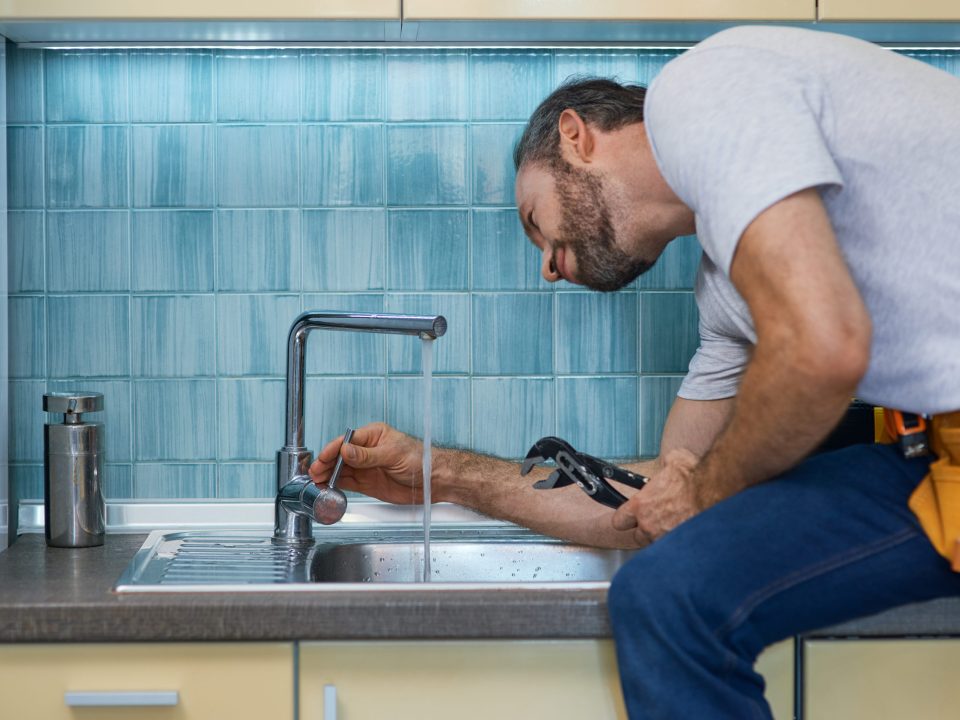
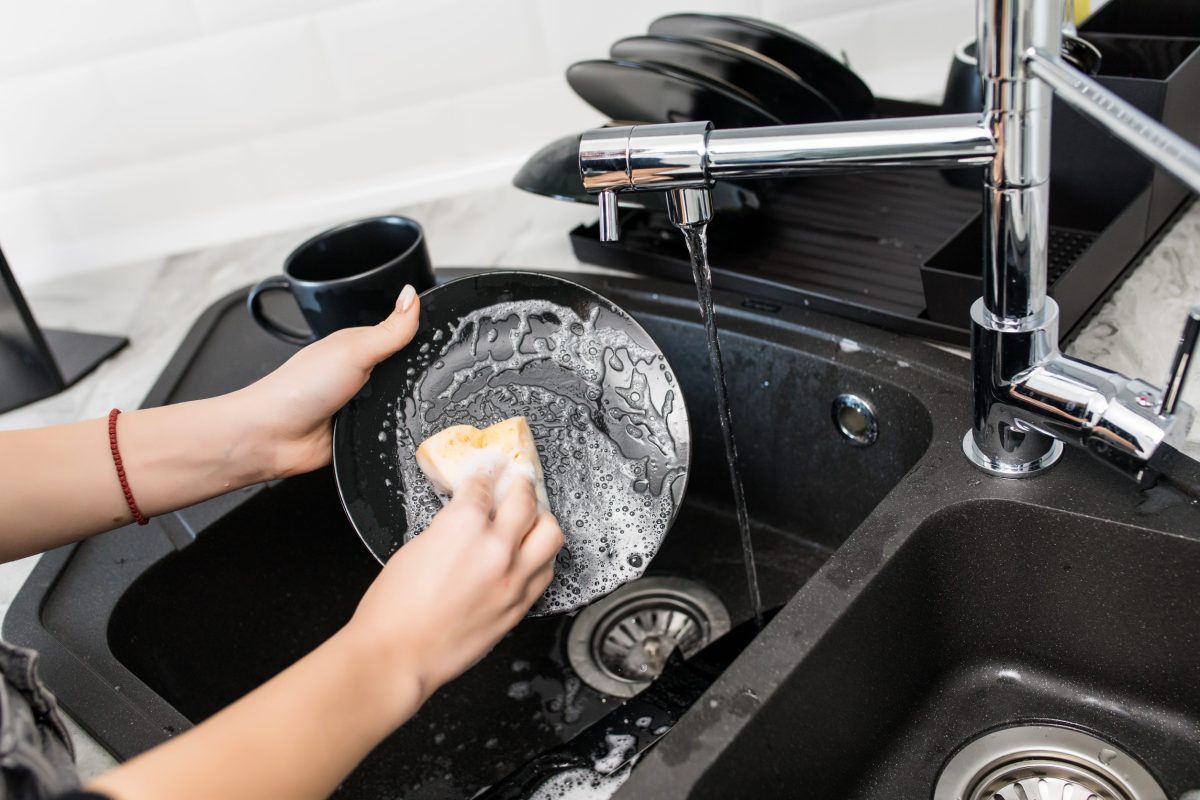
During extreme cold spells, let your faucets drip slowly. The movement of water makes it less likely to freeze and potentially burst your pipes. Oftentimes, it’s recommended that you use hot water for this, but any small, steady drip will help.
Insulate Your Pipes
One of the most effective ways to prevent frozen pipes is to insulate them. Use pipe insulation sleeves or wrapping to cover pipes, particularly those in unheated areas like basements, attics, and garages. This is also helpful for pipes that are closer to the outside of your home and closer to the cold. Insulation helps keep the heat in and the cold out, reducing the risk of freezing.
Add Heating Tape or Pipe Heating Cables
For particularly vulnerable pipes, you might consider using electric heating tape. This tape applies a small amount of heat directly to the pipe, helping to keep it warm during freezing temperatures. Follow the manufacturer’s instructions for installation or contact a plumbing professional to ensure proper installation.
Pipe heating cables work similarly to heating tape but are designed for longer sections of pipe. They are wrapped around the pipe and plugged into an electrical outlet to provide continuous heat during cold weather.
Open Cabinet Doors
Keeping kitchen and bathroom sink cabinets open allows warm air to circulate around the pipes and prevents water from freezing as quickly. This is especially important if these areas are located on exterior walls.
Seal Any Cracks or Entrances
Inspect your home for gaps and cracks around pipes, especially those leading to the outside. Seal any openings with caulk or insulation to prevent cold air from reaching your pipes. Pay attention to areas around vents, dryer vents, and where pipes enter the home.
Likewise, make sure your home is completely closed up as well. If you have water supply lines in your garage, keep the garage doors closed as much as possible to maintain a warmer temperature. If necessary, use space heaters designed for garages to keep the temperature up.
How to Protect Outside Pipes from Freezing
Outdoor plumbing faces the harshest winter conditions and requires special attention. A few simple steps—like disconnecting hoses, covering faucets, shutting off exterior water lines, and winterizing sprinklers and pools—can go a long way toward preventing frozen outdoor pipes and costly damage.
Disconnect Hoses
Before the first freeze, disconnect all garden hoses from outdoor faucets and drain them completely. Water trapped inside a hose can freeze and back up into the pipe connection, causing cracks. Store hoses in a garage or shed until spring.
Install Insulated Faucet Covers
These foam or fabric covers create a protective barrier against cold air and wind. Before the cold hits, cover any outdoor spigots or other water access points. For usually under five dollars per cover, this is one of the cheapest insurance policies you can buy for your plumbing.
Close Relevant Shut-Off Valves
If you have outdoor faucets with shut-off valves inside your home, close these valves and drain the exterior portion of the pipe. Many newer homes have frost-free hose bibs that extend the shut-off valve several inches into the heated part of your home, but these still benefit from being drained and covered.
Maintain Your Sprinklers
Winterize your sprinkler system by draining all water from the lines or having a professional blow out the system with compressed air. Any water remaining in sprinkler lines will freeze and can crack pipes, valves, and sprinkler heads.
Winterize Your Backyard Pools
Pool owners should follow manufacturer guidelines for winterizing pumps, filters, and plumbing. This typically involves draining equipment completely and using antifreeze rated for pool systems in any lines that can't be fully drained.
Are my pipes frozen?
Even with the best prevention, sometimes things get missed. Changes in water flow, visible frost, unusual noises, and more can all indicate that ice is blocking your plumbing. Catching these symptoms early can help you prevent serious water damage.
Reduced Water
The most obvious sign is reduced water flow or no water at all when you turn on a faucet. If only one faucet is affected, the freeze is likely localized to that area. If multiple fixtures aren't working, you may have a more extensive problem.
Frosty Pipes or Faucets
Frost or condensation visible on exposed pipes is a clear red flag. While some condensation is normal, frost coating the outside of a pipe means the water inside is likely frozen or very close to freezing. The earlier you catch this, the easier it is to mitigate.
Unfamiliar Noises
Strange sounds coming from your plumbing can indicate frozen pipes. Gurgling, banging, or whistling noises when you turn on a faucet suggest ice is blocking normal water flow and creating pressure issues in your system.
Strange Smells
Unusual odors emanating from drains or faucets might seem unrelated to freezing, but they can be a sign. When water can't flow past a frozen section of pipe, sewage gases can't vent properly and may back up into your home through drains.
Misshaped Pipes
Bulging or cracked pipes are serious warning signs. If you notice a section of pipe that looks swollen or already has visible cracks, turn off your water supply immediately and call a plumber. The pipe has likely already burst or is on the verge of doing so.
How to Prevent Pipes from Bursting
If you’re seeing the warning signs above and have confirmed your pipes are frozen, it’s not too late to prevent damage.
Get Water Flowing
Immediately turn on the affected faucet. When the ice begins to melt, running water will help accelerate the thawing process. Keep the faucet open—water and steam need somewhere to escape as the ice melts.
Gradually Thaw the Area with Heat
While you are trying to thaw the pipes, it’s important to never use open flames, propane torches, or other high-heat sources. These can damage pipes, create fire hazards, and cause pipes to burst from rapid temperature changes. Instead, use a hair dryer, heat lamp, or hot towels to warm the pipe gradually, starting from the faucet end and working backward toward the frozen section.
If you are out of power or don’t have heat, you can work to thaw your pipes by wrapping the frozen and surrounding areas with towels, blankets, or anything else that will trap in heat.
Turn Up the Heat
You may also need to increase the ambient temperature. Turn up your thermostat and use space heaters to warm the area. Infrared thermometers can help you identify cold spots in walls where pipes might be frozen.
Contact a Professional
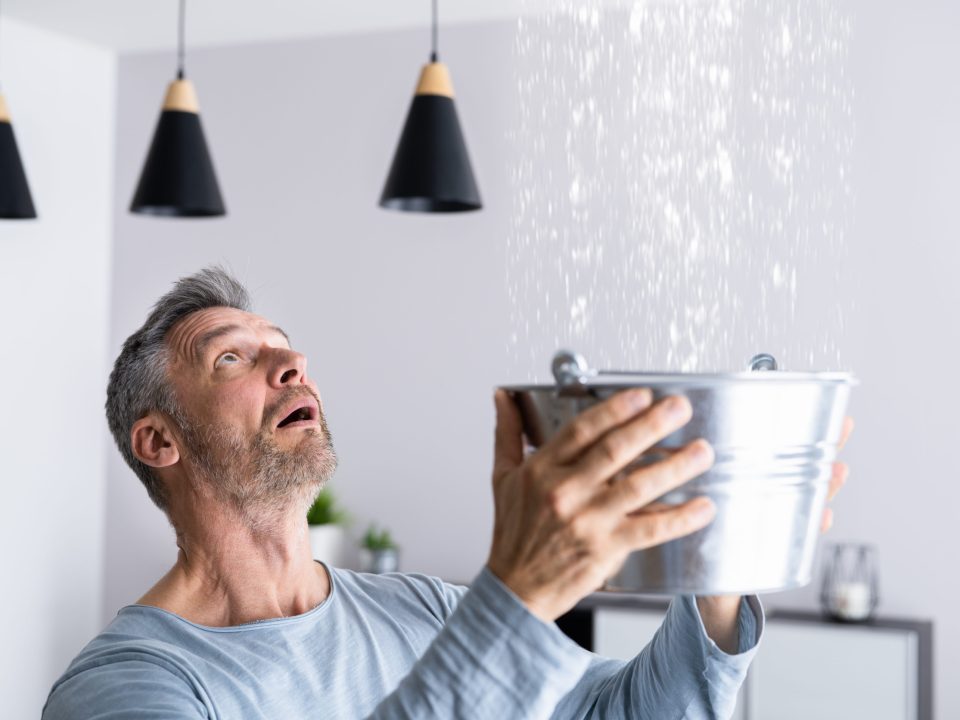
Even if you follow all the steps above, frozen pipes can still burst or suffer hidden damage. Ice creates extreme pressure inside plumbing, and cracks can form in areas you can’t see—inside walls, ceilings, or underground. If a pipe thaws and fails later, it can lead to sudden flooding and costly repairs.
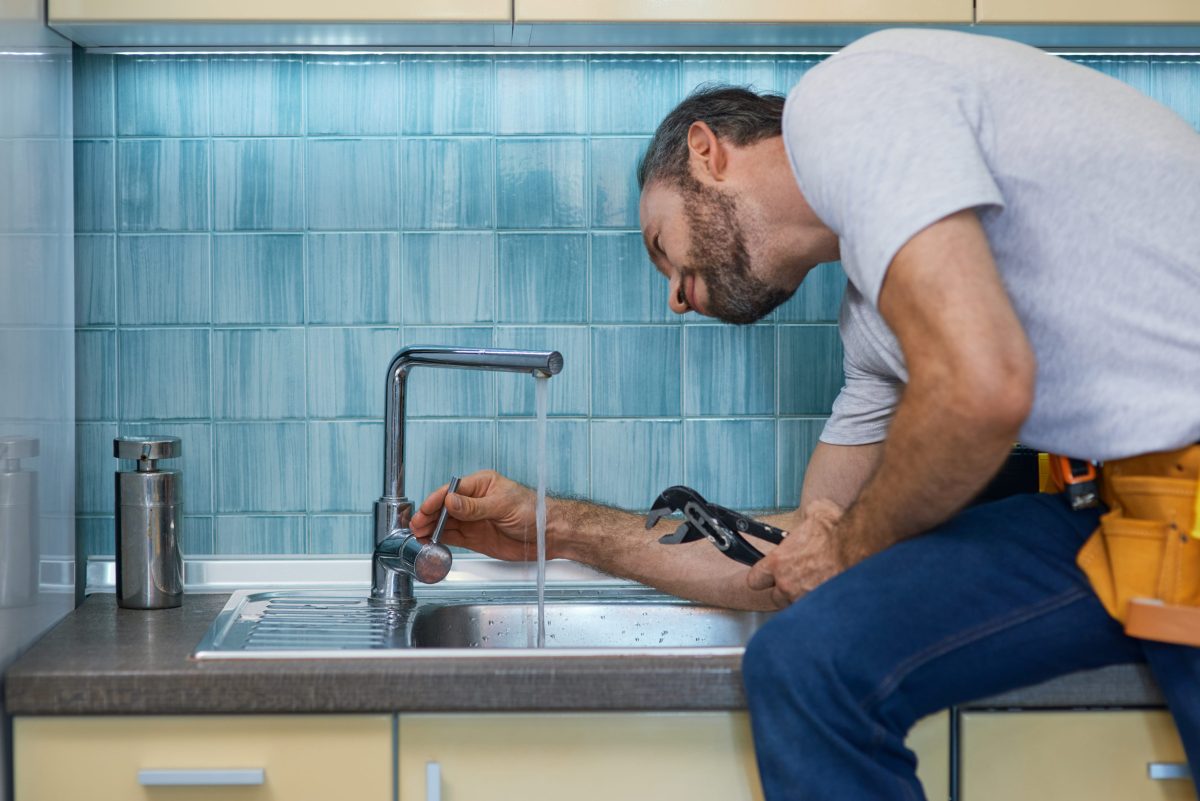
A licensed Indianapolis plumber knows how to safely thaw frozen pipes, identify weak spots, and ensure your system is fully protected before water pressure is restored. If you’re unsure where the freeze is located, can’t get water flowing, or notice bulging, cracking, or leaks, contacting a professional right away is the best way to prevent serious damage and protect your home.
Your home's plumbing system represents a significant investment, and winter weather poses real risks to its integrity. By understanding how to prevent pipes from freezing and bursting, you can avoid the stress and expense of dealing with frozen and burst pipes.
If you do experience issues with your plumbing or suspect frozen pipes, call a professional Indianapolis plumber to help navigate the issues before they can create more extensive damage to your home.
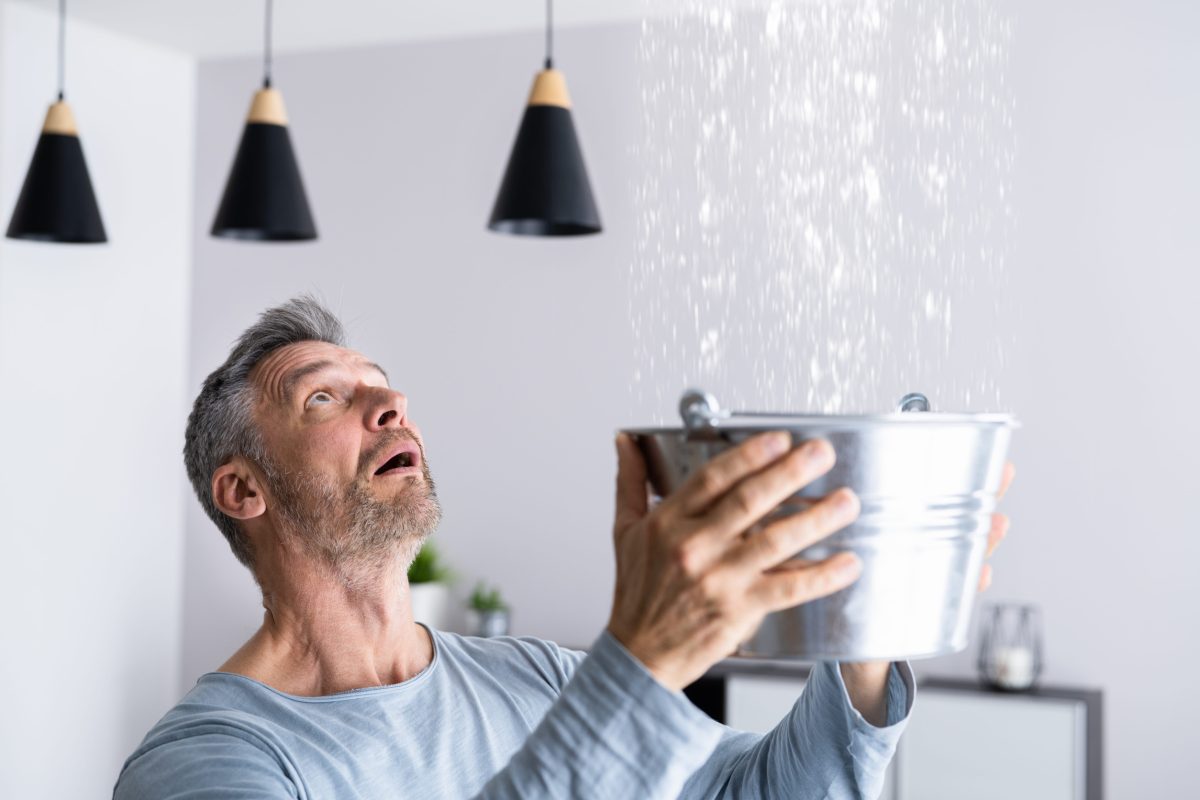
Don't wait until you're standing in ankle-deep water to wish you'd taken prevention seriously. Start protecting your pipes today, and you'll sleep easier when winter storms arrive.

At Ciriello Plumbing, we promise expertise, honesty, and efficiency to the homes and businesses we service in Greater Indianapolis, including Carmel, Fishers, & Greenwood. From residential plumbing repairs to commercial installations, our expert team is dedicated to providing exceptional craftsmanship and unparalleled customer service. For reliable plumbing services you can trust, contact Ciriello Plumbing Solutions today.